Apartment Espresso · The Renter's Underrated Pick · 2026
Manual Lever Espresso for Renters
Silent. No plumbing. No 220V. Near-zero failure rate across 124 apartment-relevant mentions. Why the Cafelat Robot, Flair 58, and Flair Classic are the most underrated category in apartment espresso — and the technique tradeoffs honestly priced.
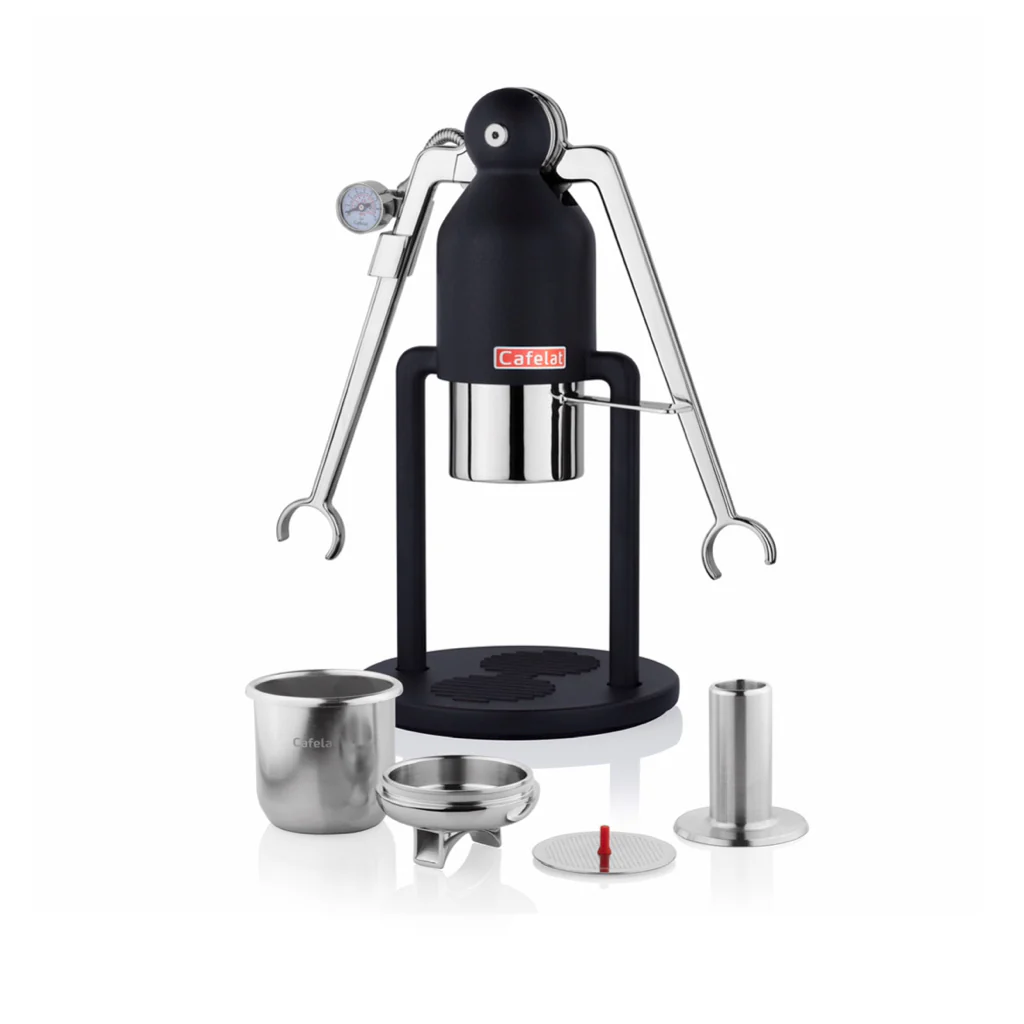
Cafelat Robot Barista
The forgiving daily driver. Wide grind window, no temperature management, foldable wings. James Hoffmann uses one.
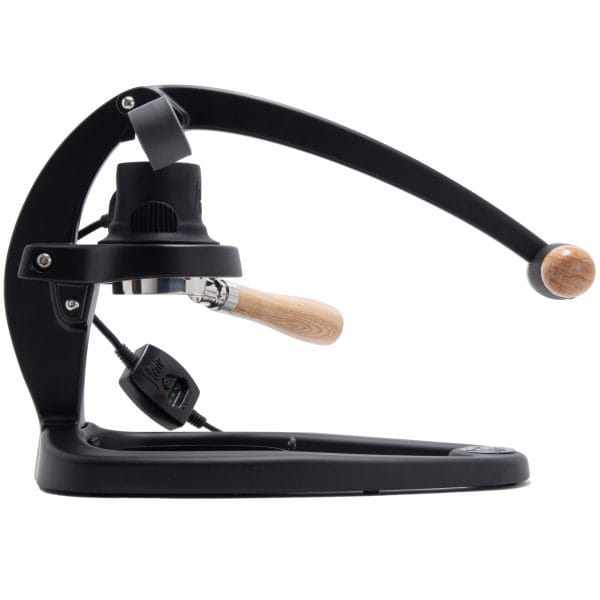
Flair 58
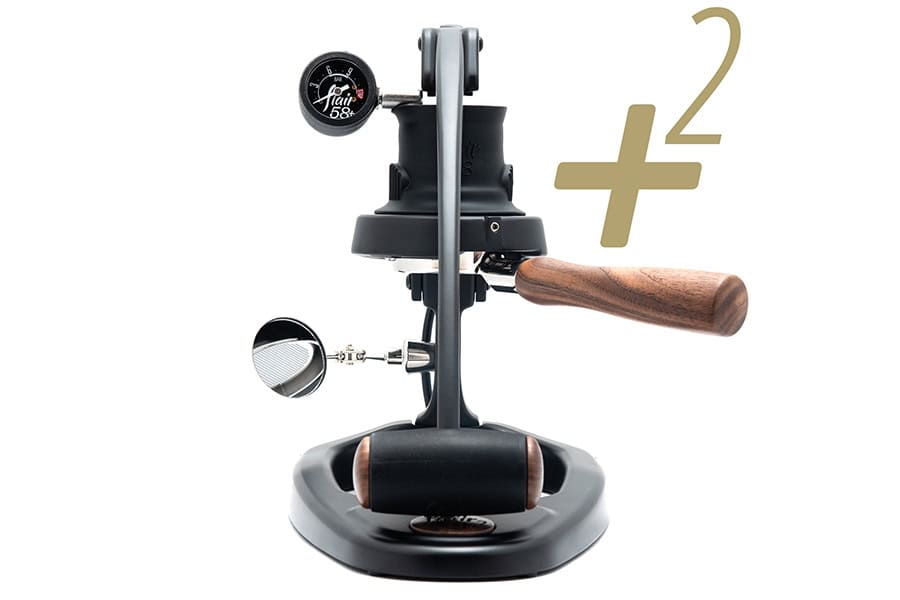
Higher ceiling. Real 58mm portafilter, integrated water heater option, refined pressure profiles. Reviewed by James Hoffmann.
Flair Classic
The gateway. 40mm portafilter, plastic group housing, smaller basket. Sub-$200 way to try the category before committing to Flair 58 or Robot.
TL;DR — Why this category is underrated
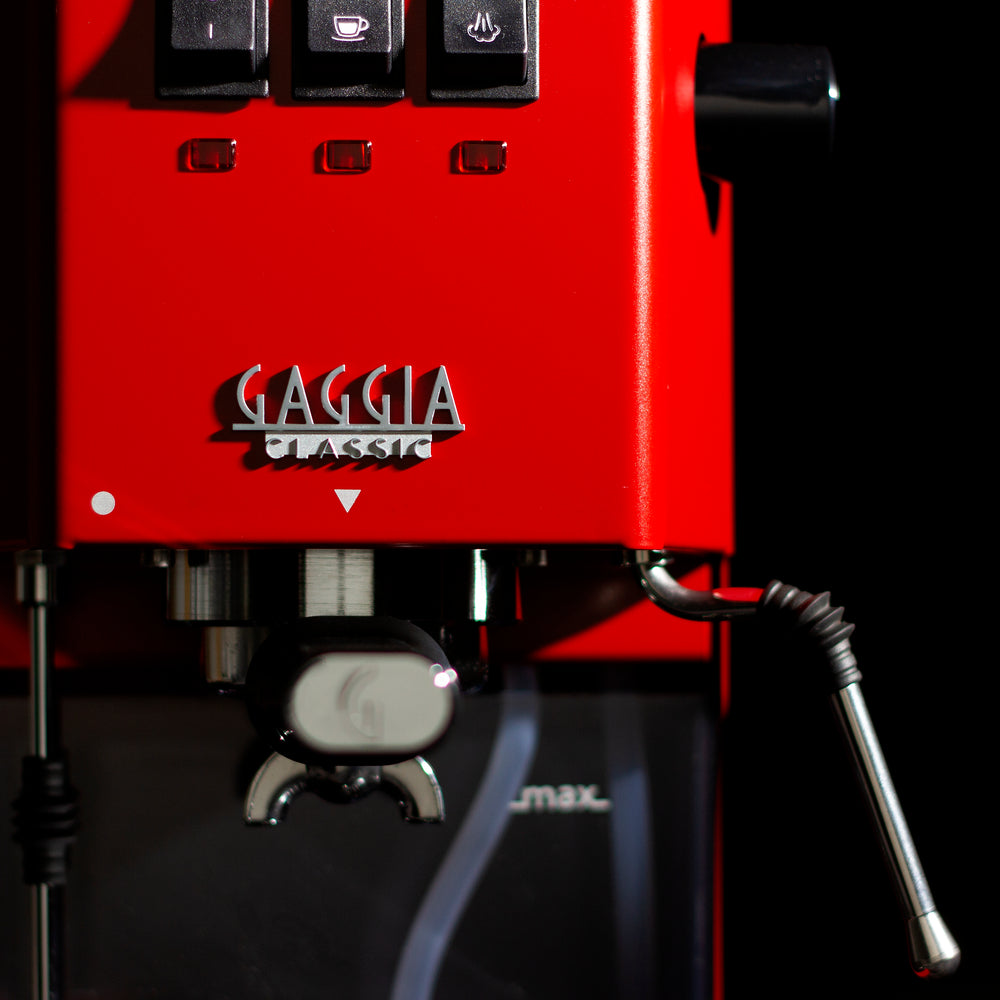
- 0 catastrophic failures across 101 Cafelat Robot mentions. The Flair 58: 2 across 11, both gasket replacement ($5 wear item, not failure). For comparison, Gaggia Classic Pro shows 7+7 durability/reliability concerns across 69 mentions. Lever machines barely break.
- Sub-40 dB during a shot. No pump. No motor. The kettle is the loudest part of the workflow, and that's already in your kitchen. The only category of espresso you can pull at 6am next to a sleeping partner without warning.
- No plumbing, no 220V, no dedicated outlet. The Cafelat Robot has no electrical components at all. The Flair 58 has an optional cordless heater puck. Renter-friendly across the board.
- Lifetime durability. Every part is replaceable from the manufacturer. Silicone gaskets ($5) every 1-2 years are the only wear items. We have evidence of 8+ year old machines still in service.
- Trade-off: technique is real. 30-second pull instead of 25. Kettle workflow instead of one-button. No built-in steam (use a NanoFoamer or Bellman). If you want push-button, this category isn't for you. If you want morning ritual, it's exactly for you.
- TikTok virality is the demand signal: Tanner Colson's Flair 58 video — 22.3M views. Zac Detweiler's Cafelat Robot — 12.9M. Top six manual-lever videos in our pool together: 50+ million plays. The mainstream is catching up.
What's in this guide
- What manual lever actually is
- Five reasons it wins for apartments
- The three apartment options compared
- Cafelat Robot in detail
- Flair 58 in detail
- Flair Classic in detail
- The technique tradeoffs honestly
- A real apartment workflow
- Milk drinks without a steam wand
- Total cost of ownership
- Who should buy lever (and who shouldn't)
- FAQ
What manual lever espresso actually is
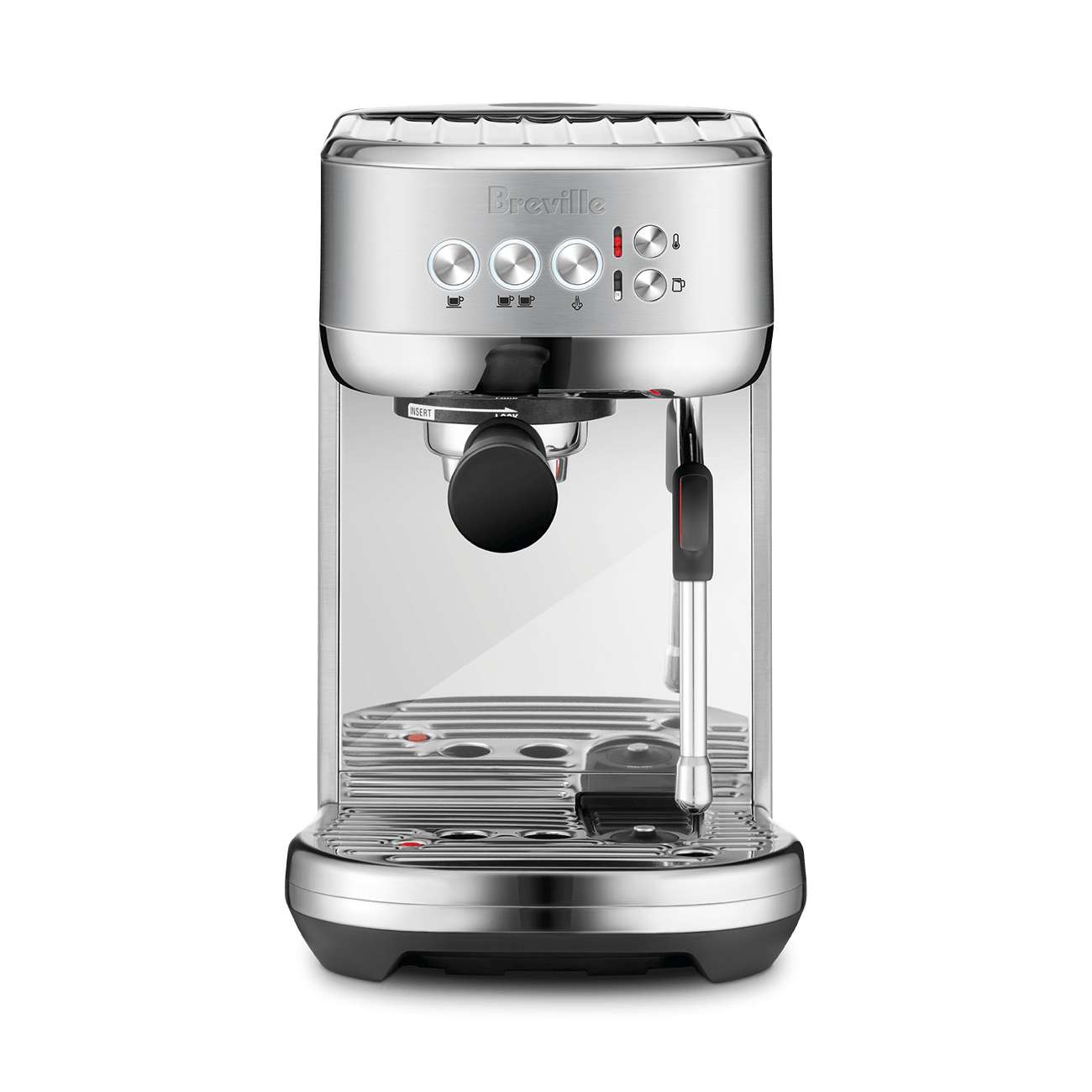
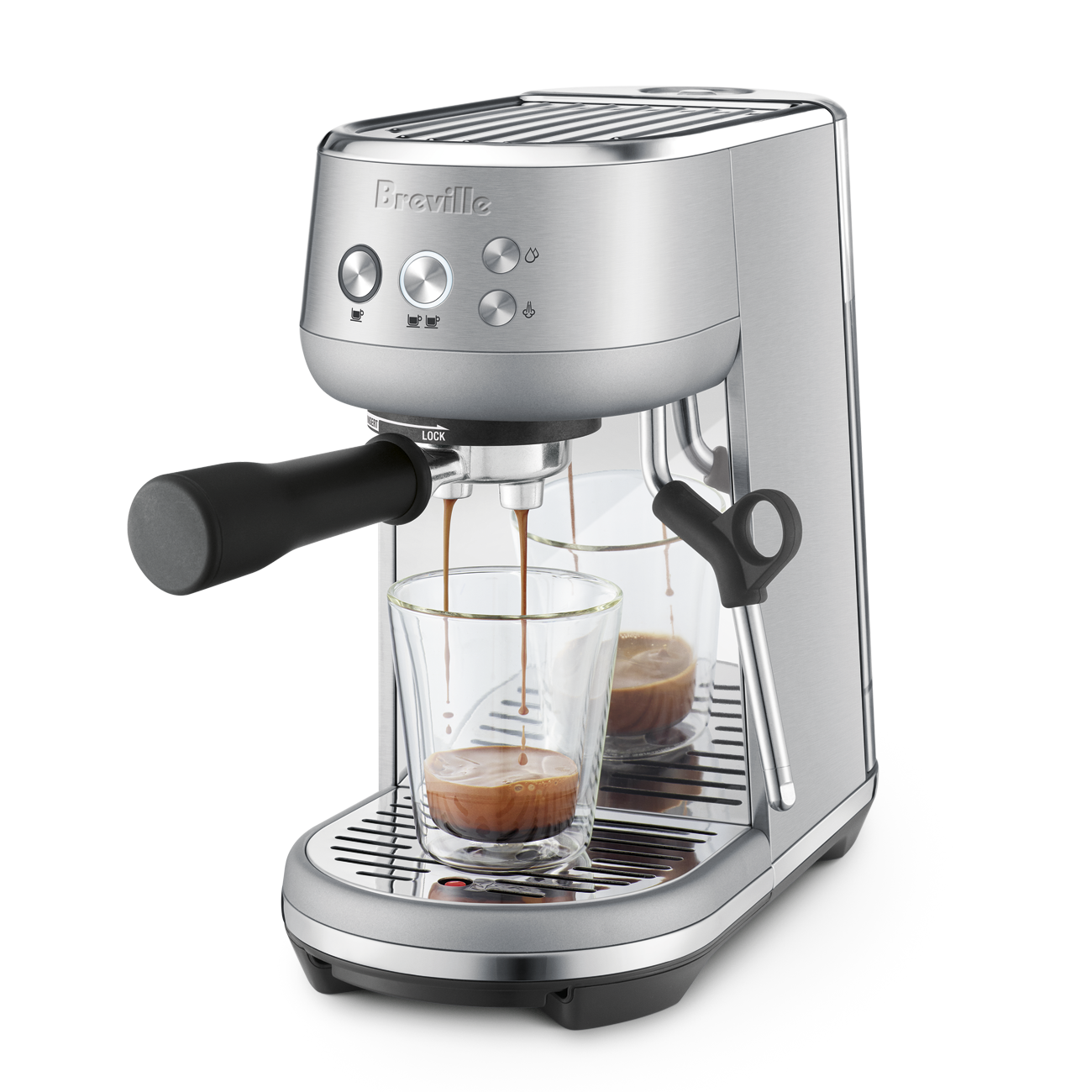
A pump espresso machine (Bambino, Dedica, Gaggia) uses a vibratory pump to force hot water through coffee grounds at 9 bars of pressure. The pump is the loud part, the wear part, and the failure part.
A manual lever machine generates that pressure mechanically. You boil water in a separate kettle, pour it into the machine, and pull a lever or push a piston with your hand. Your arm is the pump. Apartment-friendly lever options come in two physical formats:
- Lever-and-piston (Cafelat Robot): Vertical levers on each side of a round body. Push down on both wings to compress the piston into the brew chamber. The Robot is the apartment archetype.
- Vertical lever press (Flair 58, Flair Classic): A single tall lever you press down. Looks like a small press in your kitchen.
Both produce real 9-bar pressure. The shot is identical to a $1,500 prosumer machine in mechanical terms — the same pressure profile, the same dwell time, the same flow rate. The only difference is the "pump" is your arm and the boiler is your kettle.
Five reasons manual lever wins for apartments
Silence
No pump means no buzzing. The only sounds during a shot are the gentle hiss of water flowing through coffee grounds and the click of the lever locking. Sub-40 dB at 1m — quieter than your refrigerator. The kettle is the loudest part of the workflow, and most apartment renters already own one. For sleeping partners and thin walls, this is the only category that works.
Reliability that borders on unfair
0 catastrophic failures across 101 Cafelat Robot apartment-relevant mentions. 2 across 11 Flair 58 mentions, both about gasket replacement (a $5 wear item). For comparison: Gaggia Classic Pro shows 14 durability + reliability concerns across 69 mentions. The structural reason is simple — no motor, no pump, no electronics. Fewer parts means fewer failure modes.
No infrastructure required
Cafelat Robot uses zero electrical power. Flair 58 has an optional plug-in heater puck for the brew head, but the machine itself draws nothing during a shot. No dedicated 15A outlet. No 220V. No plumbing. No worry about tripping a circuit shared with your microwave. For studios, sublets, traveling, and shared kitchens, this is the lowest-friction setup that exists.
Stores in a drawer
Pump machines need to live on the counter because of warm-up cycles. Manual lever doesn't. The Flair 58 packs flat (54mm tall) into its case. The Cafelat Robot folds its wings down. The Flair Classic disassembles into a kit. For renters with 40cm of total counter space — which is most of NYC, SF, and Boston — this is the only espresso category that doesn't permanently colonize the kitchen.
Travels with you
The Cafelat Robot fits in a checked bag. The Flair 58 has a purpose-built travel case. Both run on hot water from any kettle anywhere on the planet. For renters who move every 12-24 months, study abroad, or travel for work, the lever machine that survives every move is structurally cheaper than the pump machine that doesn't survive the third one.
Lifetime ownership economics
$400 once, $5 every 18 months for a gasket. A Cafelat Robot bought today should outlast every apartment you'll rent. A Bambino Plus at $400 has a median 2.5-year lifespan in apartment use — you're effectively paying $160/year. Lever machines are paying $50/year amortized over 8 years, and they hold resale value better than any pump machine.
The three apartment lever options compared
| Spec | Cafelat Robot | Flair 58 | Flair Classic |
|---|---|---|---|
| Price (street) | $399 | $499 | $159 |
| Footprint (active) | 240mm round | 191 × 191mm | ~150 × 150mm |
| Foldable storage | Wings fold down | Packs flat (case included) | Disassembles |
| Portafilter size | 58mm | 58mm | 40mm (proprietary) |
| Brew chamber material | Stainless steel | Aluminum | Plastic + stainless |
| Pressure gauge | Optional ($+50) | Standard | Optional |
| Built-in heater | No | Optional puck (+$80) | No |
| Time to first shot (kettle on) | 4-5 min | 4-5 min | 5-6 min |
| Apartment mentions in dataset | 13 | 11 | 44 |
| Avg sentiment | +0.59 | +0.50 | +0.62 |
| Catastrophic failures (in dataset) | 0 | 2 (gasket only) | 5 (plastic part) |
| Apt-Fit Score | 91 / 100 | 87 / 100 | 79 / 100 |
Cafelat Robot Barista — in detail
The forgiving one. Wide grind window means it tolerates a less-than-perfect grinder. No temperature management means you don't need to time anything precisely — just pour hot kettle water and pull. James Hoffmann published a video calling it "very, very good," and it's been the go-to recommendation in r/CafelatRobot for five years.
What owners actually say:
The Robot's structural advantage is that the entire brew path is stainless steel. No plastic touches the hot water. For renters who care about that — and for the long-term materials story — this is meaningful.
The "I want to learn" buyer
Robot owners describe a satisfying progression: month 1 is figuring out kettle workflow, month 2 is hitting consistent shots, month 6 is "pulling by feel" without reading the gauge. The reward curve is steep but the floor isn't punishing — even unrefined Robot shots taste better than channel-y Bambino shots. See our full Cafelat Robot review for the full breakdown.
Flair 58 — in detail
The higher-ceiling one. Real 58mm portafilter (same as commercial machines), aluminum group head, optional integrated water heater puck for $80. James Hoffmann reviewed the Flair 58 favorably; Tanner Colson's Flair 58 video is the most-played apartment-espresso video in our entire dataset (22.3M views).
The owner archetype:
The thread that runs through high-end Flair 58 ownership is "the lever gives me feedback." With a pump machine, you get a binary outcome — shot pulled or shot didn't. With the 58, you feel the resistance change as the puck saturates, and you adjust pressure mid-pull. It's the closest thing to playing an instrument that espresso offers.
The trade-off vs. the Robot is that the 58 is less forgiving. You need a real espresso grinder ($300+), a temperature-controlled water source, and the discipline to keep timing consistent. If you'd rather not think about it, get the Robot.
The temperature management add-on
The optional $80 heater puck for the Flair 58 is the difference between "kettle workflow" and "ready in 60 seconds." For apartment renters who'd otherwise want a pump machine for the convenience, this puck closes most of the speed gap. With it, the 58 from cold to drinkable shot is 4 minutes — not far behind a Gaggia Classic Pro warm-up time. Without it, expect 6-8 minutes total kettle-to-cup.
For the full breakdown including comparison cards: our Flair 58 review.
Flair Classic — in detail
The gateway tier. $159, no temperature management, smaller portafilter (40mm), plastic group housing. The Flair Classic exists to let buyers try the lever category cheaply before committing to the Robot or 58.
It mostly works. The dataset has 44 mentions averaging +0.62 sentiment, with reliability complaints clustered on the plastic group housing — same pattern we see in the full failure analysis:
And the success path:
The Flair Classic is honest about what it is — a $159 starter that survives 6-12 months for most owners and breaks for some at month 3-4. Treat it as a learning unit. If you fall in love, upgrade to the Flair 58 or Robot.
The technique tradeoffs honestly priced
This is where lever machines lose buyers, so let's not pretend otherwise.
- Kettle workflow. You need to boil water before each shot. 3-4 minutes on most kettles, 60 seconds on a Zojirushi pre-heated water dispenser. This adds up if you're making a single shot for a sleepy morning person who's not a ritual buyer.
- Temperature is on you. Pump machines auto-regulate brew temperature. Lever machines don't (Flair 58 with heater puck partially solves this). You learn to time the kettle pour to landing temperature, or you accept variance.
- Manual force matters. Cafelat Robot needs a sustained 30kg push on the wings. Flair 58 needs a steady 30kg downward press. Most buyers handle this fine; some find it tiring, especially with arthritis or shoulder issues.
- No built-in steam. If you drink milk drinks, you need a separate frother (NanoFoamer Pro $75) or steamer (Bellman CX25P $170). The total apartment-friendly setup is still cheaper than a Bambino Plus over its lifespan, but it's not single-button.
- Single-shot rhythm. Lever machines are great for one or two shots in a row. Pulling 4 shots back-to-back for a household is slow because you're heating water and dialing in technique each time. Pump machines win for high-volume morning rushes.
- You will care about beans more. The lever shot exposes bean freshness, roast level, and grinder quality. Stale beans that taste fine through a Bambino taste sour through a Flair 58. This is either a feature or a bug depending on whether you want to learn.
A real apartment workflow (Cafelat Robot, 6:30am)
- Kettle on. 0:00 — 3:00You're aiming for ~95°C water in the brew chamber, so the kettle target is 100°C and you let it cool 15 seconds before pouring. Most kettles take 3-4 minutes from cold tap fill to 100°C.
- Grind 18g. 3:00 — 3:30Real espresso grinder, fine setting. The Robot's wide grind window forgives ±2 settings; the Flair 58 is less forgiving. Distribution matters more than tamp pressure on lever machines — a WDT tool ($10) makes a bigger difference than upgrading the tamper.
- Load and tamp. 3:30 — 4:00Pour into basket, tap to settle, gentle tamp. The lever does the work — you don't need a 30lb tamp like on a pump machine.
- Pre-infuse. 4:00 — 4:20Pour kettle water into brew chamber. Settle for 10-20 seconds — this is where the puck saturates. On the Robot you can see the basket fill through the gap; on the Flair you watch the brew chamber.
- Pull the shot. 4:20 — 5:00Press down with sustained pressure for 25-35 seconds. The shot pours into your cup. You can adjust pressure mid-pull — start lighter, hold middle pressure, taper at the end if you want a more developed shot.
- Drink while warm. 5:00Total elapsed from kettle-on to cup: about 5 minutes. Shorter than a Gaggia Classic Pro warm-up cycle from cold.
If you keep a Zojirushi water dispenser at 95°C all the time (uses 8-12 watts standby, the same as a phone charger), the kettle step disappears entirely. Total elapsed becomes 90 seconds.
Milk drinks without a built-in steam wand
The frequently asked question. Three honest options for apartment-friendly milk:
- Subminimal NanoFoamer Pro ($75). Handheld pump frother. Plug-in, charge once, produces real microfoam (not just bubbles). Silent. Apartment-perfect. The most-used milk solution among Cafelat Robot owners in our dataset. Latte art is harder than with a steam wand but achievable.
- Bellman CX25P ($170). Stovetop steamer. Fills with water, sits on a gas or induction burner, produces commercial-grade steam in 4 minutes. Loud at peak (whistle), but only for 30 seconds. The closest thing to a real steam wand in a non-electric format.
- Breville Milk Cafe ($130). Countertop electric, automatic. Push-button microfoam. Silent. Reliable. The non-purist option. Pairs beautifully with a Cafelat Robot for the "lazy weekday + ritual weekend" workflow.
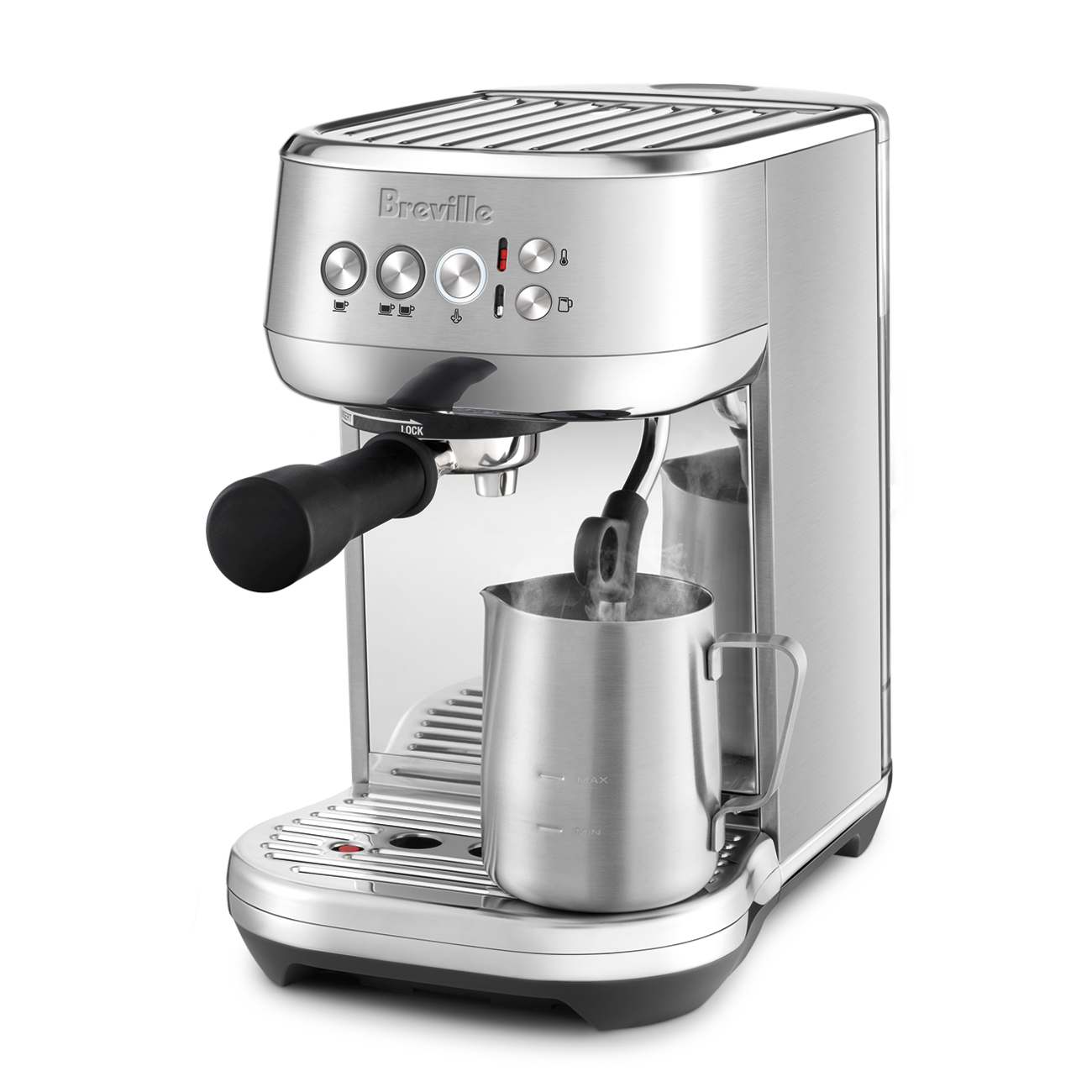
Total apartment setup: Cafelat Robot ($399) + NanoFoamer Pro ($75) + good grinder ($300) = $774. Comparable Bambino Plus + grinder setup is $700, with 1/3 the lifespan. Per-year cost favors the lever setup by year 3.
Total cost of ownership
Estimated 5-year total for an apartment renter, all-in:
| Setup | Year 1 | Year 5 cumulative | Per-year |
|---|---|---|---|
| Cafelat Robot + 1Zpresso J-Max + NanoFoamer | $655 | $685 | $137 |
| Flair 58 + DF54 + NanoFoamer | $815 | $855 | $171 |
| Flair Classic + Timemore C2 + NanoFoamer | $295 | $425 (+1 replacement at yr3) | $85 |
| Bambino Plus + DF54 (for comparison) | $650 | $1,050 (1 replacement at yr 2.5) | $210 |
| Gaggia Classic Pro + DF54 + mods (used pre-2023) | $700 | $760 | $152 |
The Cafelat Robot setup is the cheapest per-year apartment espresso option in our dataset that actually produces good espresso. Lower per-year than the Flair Classic over a 5-year horizon (the Classic's plastic-housing failures push some owners to a second unit). Lower than every pump machine.
Who should buy lever (and who shouldn't)
Buy a lever machine if:
- You live with thin walls or a sleeping partner — silence is non-negotiable
- You expect to move apartments 2+ times in the next 5 years
- You have under 50cm of counter space and don't want to dedicate it to a pump machine
- You enjoy ritual and learning over push-button convenience
- You drink 1-2 shots a day, not 4-6 for a household
- You care about long-term ownership and waste-free buying
Skip lever machines if:
- You make 4+ milk drinks a day for a household — pump machines win on volume
- You want push-button operation with no kettle workflow
- Your morning is "shot in 30 seconds and out the door" with no patience for 5-minute setup
- You have shoulder, wrist, or arthritis issues that make sustained 30kg force painful
- You don't want to think about grinder quality, water temperature, or technique
Frequently asked questions
What is a manual lever espresso machine?
A lever espresso machine generates brewing pressure mechanically — you pull a lever or push a piston by hand, no electric pump. You boil water in a separate kettle, pour it into the machine, then lever the shot. The Cafelat Robot Barista, Flair 58, and Flair Classic are the three apartment-friendly options. Trade-offs: 30-second pull instead of 25, no electric power needed, near-silent operation, lifetime durability, no built-in steam (use a separate milk frother).
Are manual lever espresso machines actually quiet?
Yes. They have no pump. The only sound during a shot is the soft hiss of water through coffee grounds — sub-40 dB at 1m, quieter than a refrigerator. The kettle that boils your water is the loudest part of the workflow, and that's already in most kitchens. For apartment renters with thin walls or a sleeping partner, manual lever is the only category of espresso that won't wake the household.
Cafelat Robot vs Flair 58 — which is better?
The Robot is more forgiving — wider grind window, no temperature management, faster from cold. The Flair 58 is higher ceiling — competition-grade extractions, real 58mm portafilter compatibility, more refined pressure profiles. Robot for daily-driver apartment espresso. Flair 58 if you also want to enter the grinder/extraction rabbit hole. Robot retails $399, Flair 58 retails $499.
Do manual lever machines really last longer than electric?
Significantly. Across our dataset of 308 Amazon reviews and 877 Reddit posts, the Cafelat Robot logged 0 catastrophic failures across 101 apartment-relevant mentions. The Flair 58 logged 2 across 11, both about gasket replacement (a $5 wear item). For comparison, the Gaggia Classic Pro shows 7 durability and 7 reliability concerns across 69 mentions. Lever machines have no motor, no pump, no electronics — fewer parts means fewer failure modes. The only wear items are silicone gaskets ($5, every 1-2 years).
Can I make milk drinks with a manual lever machine?
Yes, with a separate steam wand or milk frother. Options: (1) Subminimal NanoFoamer Pro ($75) — handheld pump frother, silent, real microfoam. (2) Bellman CX25P stovetop steamer ($170) — produces commercial-grade steam, takes 4 minutes. (3) Breville Milk Cafe ($130) — countertop electric, automatic. The total apartment-friendly setup costs around $530 for Cafelat Robot + NanoFoamer Pro, comparable to a Bambino Plus that will outlast it by a decade.
Is the Flair Classic still worth buying or just upgrade to the 58?
The Flair Classic is the gateway — $159, no temperature management, smaller portafilter (40mm), plastic-housing group head that has had reliability complaints in the dataset (5 mentions of plastic part failure). The Flair 58 fixes all three: aluminum group head, 58mm portafilter, integrated water heater option. If your budget is sub-$200 and you want to try manual lever, Flair Classic. If your budget is $400+, skip the Classic and go straight to the 58.
How long does a shot take on a manual lever machine?
From kettle-on to drinking: 6-8 minutes total. Kettle takes 3-4 minutes. Grinding takes 30 seconds. Loading and pre-infusion takes 1 minute. The pull itself is 25-35 seconds. The bottleneck is the kettle, not the machine. If you keep a Zojirushi water dispenser pre-heated, the pull is sub-2 minutes start to finish — faster than waiting for a Gaggia Classic Pro to come up to brewing temperature.
Do these machines need countertop space?
Less than any pump machine. The Cafelat Robot is 240mm × 240mm and lives in a cabinet between uses. The Flair 58 is 191mm × 191mm in active configuration, packs flat (54mm tall) for storage. The Flair Classic is similar to the 58 but smaller. All three are countertop-optional — pump machines need to live on the counter because of warm-up cycles. Lever machines can live in a drawer.
Related guides & reviews
Sources cited inline by author handle, date, and platform. Aggregate dataset: 13 Cafelat Robot + 11 Flair 58 + 44 Flair Classic + 33 cross-referenced "manual lever" Reddit/Amazon mentions = 101 unique apartment-relevant items. Methodology: /about/methodology/.